
Private specialty practice for internal medicine
Private specialty practice for internal medicine
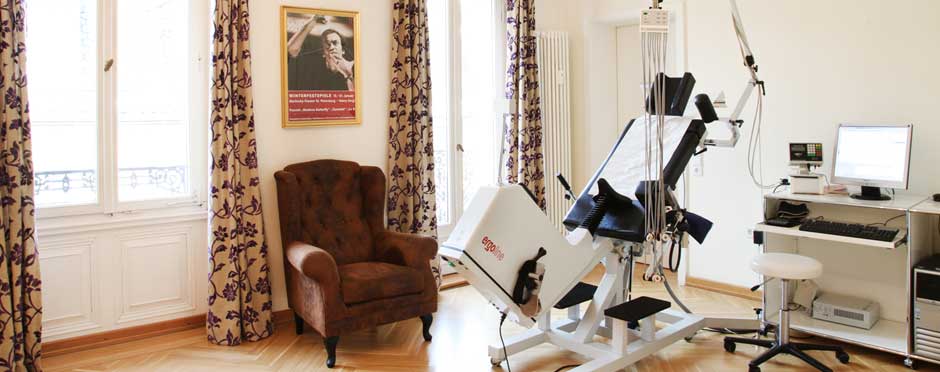
Cardiology deals with the clarification of heart complaints such as chest pain, heart rhythm disorders, shortness of breath, reduced performance and unclear circulatory problems.
In my practice, cardiological diagnosis is carried out in a structured, internal and guideline-oriented manner. Modern methods of ultrasound, ECG, blood pressure and vascular diagnosis are used.
The goal is not to collect isolated measurement values, but to provide a clinically meaningful functional classification of the findings – including individual risk assessment, therapy decision and prevention.
This page is medically responsible for Prof. h.c. (RU) Dr. med. Wolfgang Kelling Specialist in internal medicine with a focus on cardiology and gastroenterology.
As part of my clinical work, I was active as a senior physician in an internal medicine department with an endocrinological focus for several years. This experience flows into the internal overall classification of cardiovascular findings, without an endocrinological focus or additional designation being carried out.
All diagnostic and therapeutic recommendations are made on a medical basis and take into account the individual situation of the patient.
A cardiological clarification is particularly useful in cases of:
These symptoms can have harmless causes, but also be an indication of relevant heart diseases.
The following procedures are used to evaluate heart rhythm and electrical heart function:
Heart ultrasound allows the evaluation of heart size, heart function and heart valves:
The following are used to evaluate the vessels:
Vascular sonographic diagnostics are carried out in my practice initially in full. Further invasive diagnostics or interventional therapies are carried out in specialized centers with which we have been well networked for years.
In addition to apparatus diagnostics, a broad internal laboratory basic diagnostics is usually carried out during the initial contact. Metabolic, renal and liver functions are crucial for cardiovascular risk assessment, therapy decision and course control.
Depending on the clinical question, the following are determined, among other things:
Targeted genetic examinations are only carried out in cases of clear medical indication.
The laboratory findings help to make therapeutic decisions safely - for example, when it comes to blood pressure and lipid therapy, assessing vascular risk, and selecting and dosing medications, taking into account kidney and liver function.
Cardiological prevention is particularly useful in the presence of risk factors such as:
Prevention serves the early detection of risk and realistic assessment, not the unnecessary medicalization.
A timely examination is particularly indicated in cases of:
Not every striking measurement value means a heart disease. And not every normal finding explains complaints completely.
The goal of cardiological diagnosis is to create security, realistically assess risks and provide a reliable basis for further decisions.
I take the time for a calm, thorough and understandable cardiological clarification.
In the case of primary vascular complaints, see also the page Angiologie Baden-Baden-Vascular diagnostics and therapy.